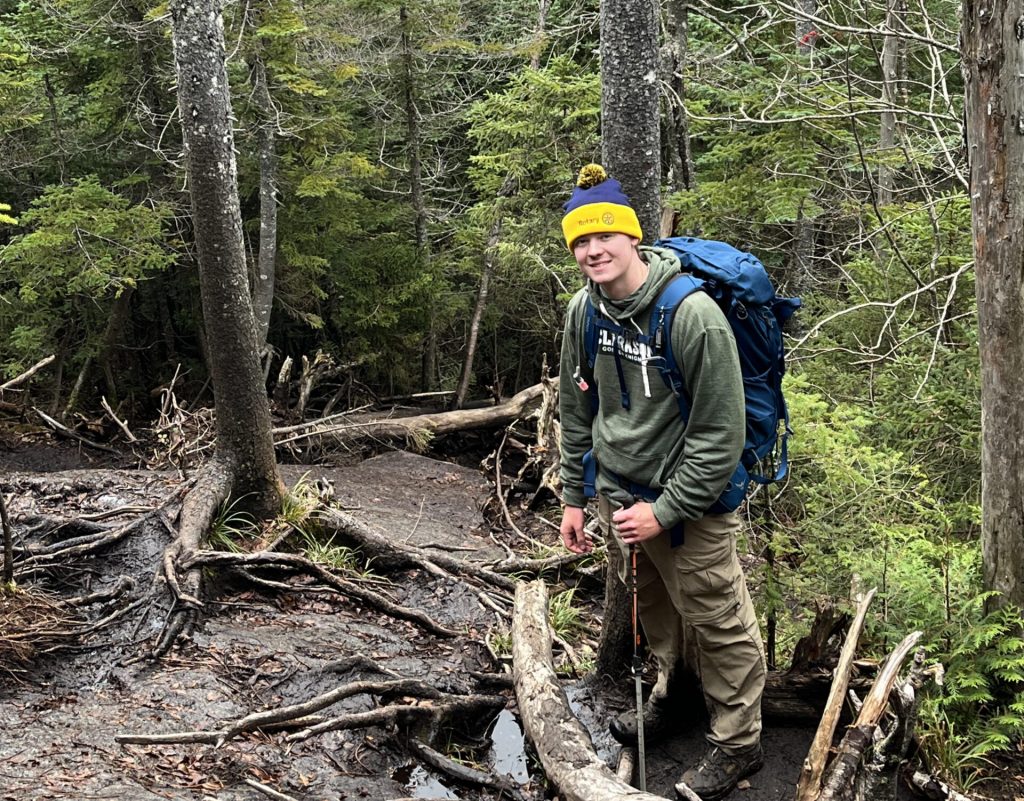
Choosing a college major is a big step—but for Clarkson student Jason Hofmann, Environmental Engineering was a natural fit. Inspired by his passion for math, science, and the outdoors, Jason found a home at Clarkson where he could explore his interests, gain real-world experience, and build a career that supports a more sustainable planet.
In this blog, Jason shares what makes the Environmental Engineering program at Clarkson University exceptional—from impactful coursework to international learning and student leadership.
A Broad and Impactful Curriculum
Fact: Clarkson’s Environmental Engineering program covers diverse topics including climate resilience, sustainability, and wastewater treatment.
“When I first came to Clarkson, I wasn’t exactly sure where my interests in environmental engineering would lead me. The range of electives helped me explore everything from water treatment to sustainability, and I found a path that aligned with my passion for climate resilience and environmental health.”
— Jason Hofmann ’24
The flexibility to choose electives that match your passions is a major strength of Clarkson’s curriculum. Students are encouraged to explore, specialize, and discover where they can make the greatest impact.
Global Learning: Sustainability in Kenya
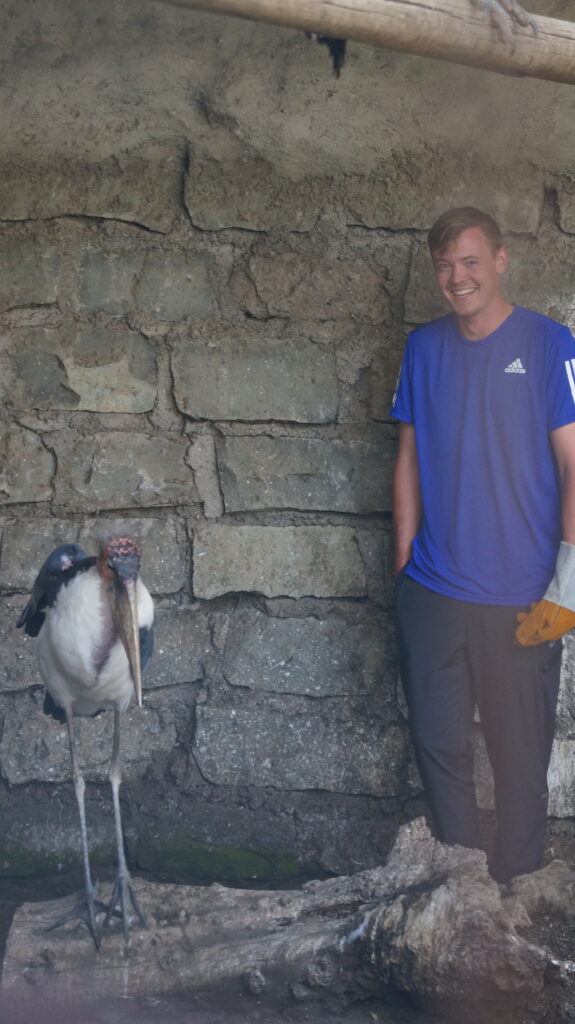
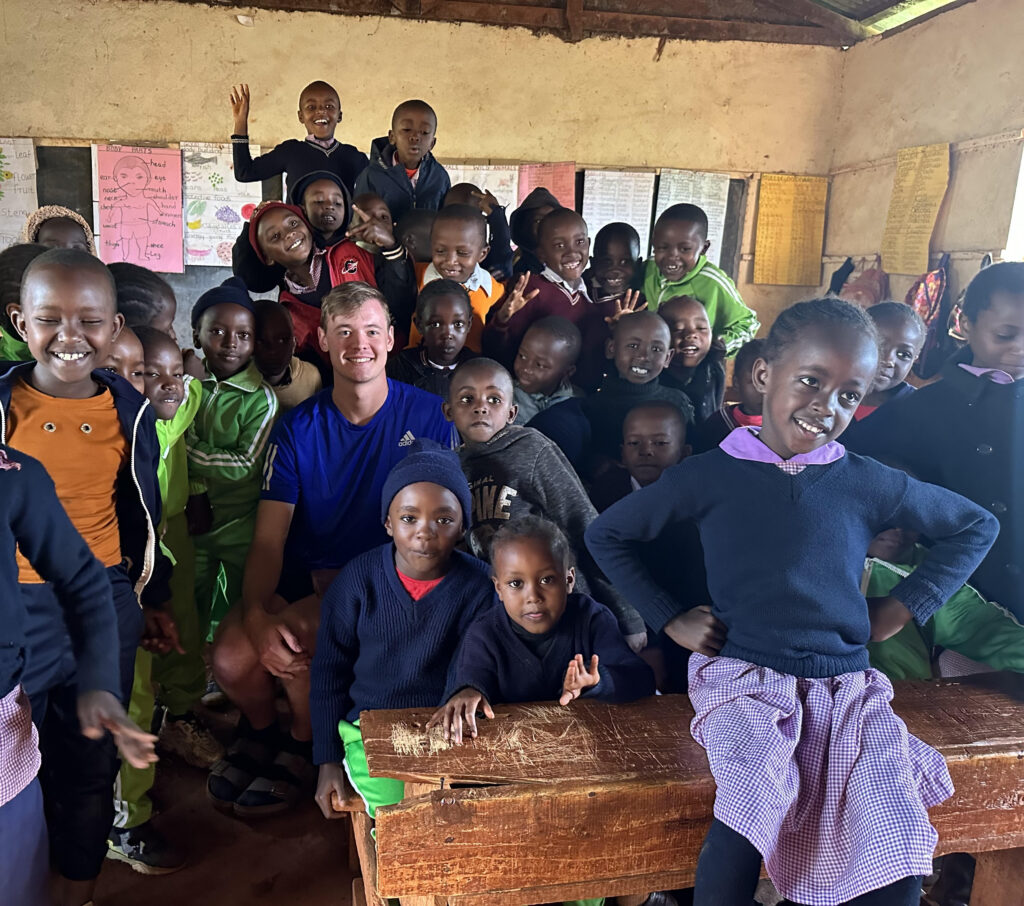
Clarkson students don’t just learn from textbooks—they learn from the world. Through the BY399: Sustainability and Conservation in Kenya course, students study global sustainability efforts and then travel to Kenya for an immersive summer experience.
“Visiting Kenya with Dr. Langen was one of the most memorable experiences of my life. We met members of The Greenbelt Movement, saw conservation in action, and even visited national parks. It gave me a whole new perspective on sustainability—and I even got to pet an elephant!”
— Jason Hofmann
This study abroad opportunity is more than a trip; it’s a firsthand lesson in the power of environmental action and global cooperation.
Hands-On Research with Real-World Relevance
At Clarkson, Environmental Engineering students are encouraged to get involved in research early on. Jason joined a project under Dr. Grimberg focused on anaerobic digestion—turning waste into energy.
“Working on anaerobic digestion gave me research experience I could speak about in job interviews. It was paid, relevant to my major, and connected me to Clarkson alumni in the industry.”
This kind of access to faculty-led, applied research is part of what sets Clarkson apart and prepares students for careers in environmental consulting, government agencies, and sustainable tech companies.
Leading Sustainability on Campus
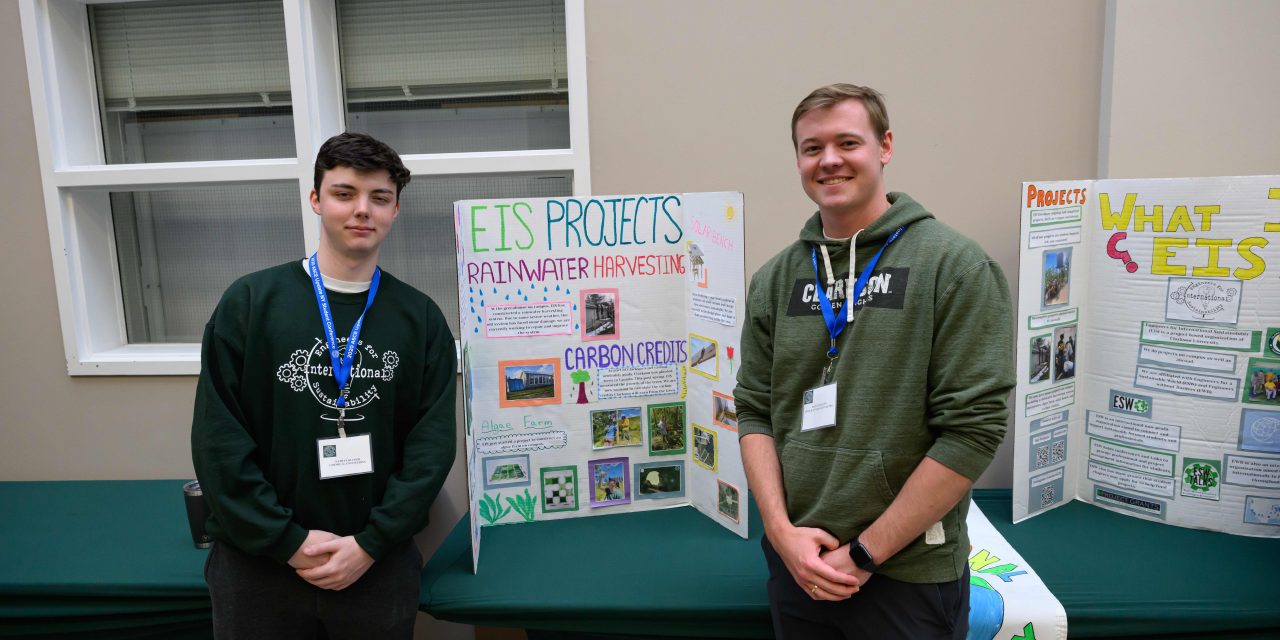
Jason is also a member of Engineers for International Sustainability (EIS)—a student organization that blends technical skill with global impact.
“EIS has been a huge part of my journey. I’ve worked on aquaponics, solar benches, and even led a project developing algae panels. These projects taught me leadership and teamwork and showed me how engineering can drive real change.”
With opportunities to work on both local and international sustainability initiatives, EIS gives students a meaningful way to apply classroom concepts while serving communities.
Why You Should Choose Environmental Engineering at Clarkson
At Clarkson, students don’t just study Environmental Engineering—they live it.
What You’ll Gain:
- Hands-on research with faculty experts.
- Study abroad options like the Kenya sustainability program.
- Leadership experience in sustainability-focused student organizations.
- A tight-knit campus where your passions become your profession.
“If you’re passionate about the environment and want a career that makes a real difference, Clarkson is the place to start. Take advantage of everything—from research to study abroad—and you’ll be ready to thrive.”
— Jason Hofmann
Are you ready to explore Environmental Engineering at Clarkson? Learn more about the program here and discover how you can make an impact!