Introduction
When I first started college, I thought networking was something people worried about after graduation. I assumed I would focus on my classes first and think about making professional connections later. However, I’ve realized that building your network early can open doors you didn’t know existed.
Start Where You Are
Joining a research lab has allowed me to gain hands-on experience while connecting with professors, graduate students, and other researchers who share similar interests. These relationships have taught me valuable skills, introduced me to new opportunities, and helped me grow both academically and professionally.
You also don’t need years of experience or a large LinkedIn following to begin building your network. Start by connecting with the people around you:
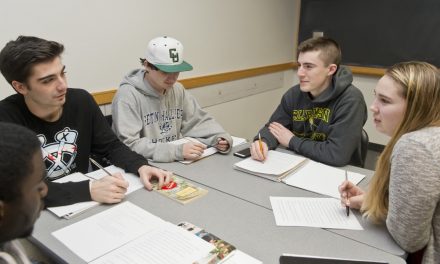
- Introduce yourself to classmates and collaborate on projects.
- Get to know your professors during office hours.
- Attend campus events and career fairs.
- Join student organizations that align with your interests.
- Connect with guest speakers and alumni after presentations.
These small interactions can lead to research opportunities, mentorship, internships and even lifelong friendships.
Why Research Matters
As a Biochemistry student, working in the Biochemistry and Proteomics Laboratory has created opportunities for me to present my work at events like Research and Project Showcase (RAPS) events and other conferences. While presenting can feel intimidating at first, it provides an incredible opportunity to meet students, faculty, and professionals from different institutions.
Every presentation gives me a chance to have conversations, exchange ideas, and expand my network. The people I meet may become future mentors, collaborators, or colleagues.
Build Your Online Presence
Before college, I didn’t realize how important having a professional online presence could be. LinkedIn has allowed me to connect with classmates, professors, alumni, and professionals in my field. It’s also a great place to showcase achievements and leadership roles while keeping up with career opportunities and industry news.
Keep your profile updated with your education, experiences, accomplishments, and volunteer work. Share interesting articles, celebrate milestones, and engage with others’ posts to remain active within your professional community.
Networking Is About Relationships
I’ve learned that networking doesn’t have to feel forced or uncomfortable. Sometimes, it’s as simple as introducing yourself after a presentation, attending a campus event, asking a professor about their research, or staying connected with someone you’ve worked with.
Small conversations today can lead to internships, research opportunities, mentorship, and even future job offers.
Final Thoughts
My biggest takeaway is that networking isn’t about collecting as many connections as possible; it’s about building genuine relationships. The people you meet throughout college can become an important part of your personal and professional journey.
Looking back, I’m glad I started building my network early instead of waiting until after graduation. Every conversation, every new connection, and every new opportunity have helped me grow in ways I never expected.
If there’s one piece of advice I’d give to other students, it’s don’t wait. Get involved, create a LinkedIn profile, join a research lab if you can, attend conferences, and don’t be afraid to introduce yourself. You never know which connection could shape your future.