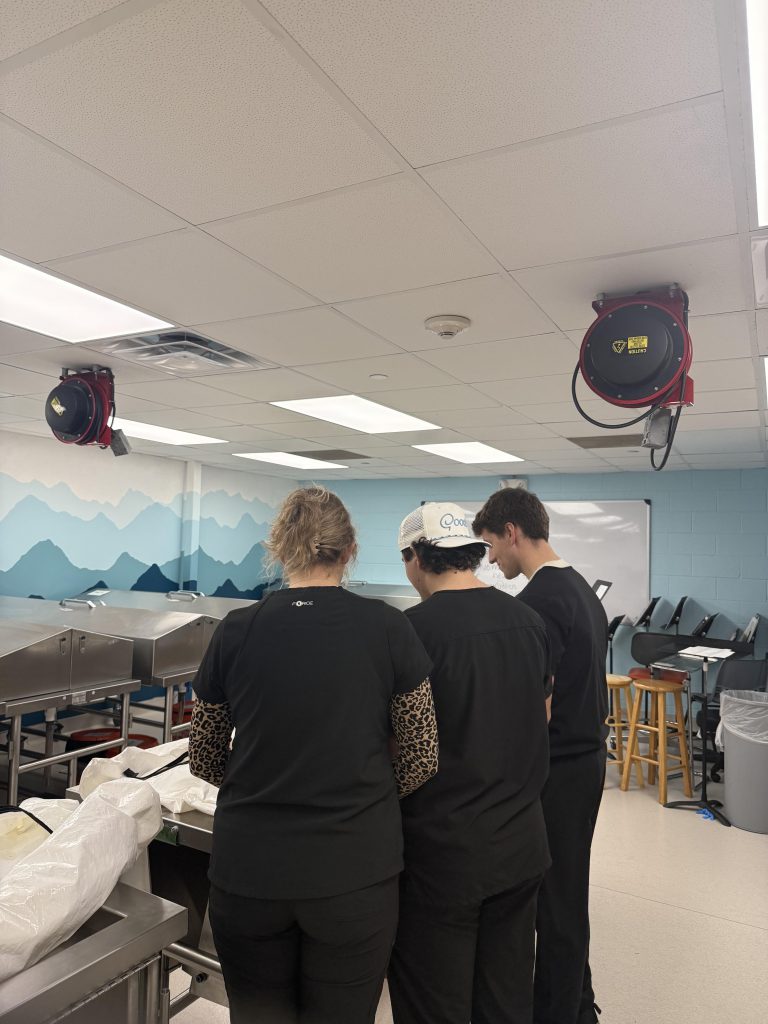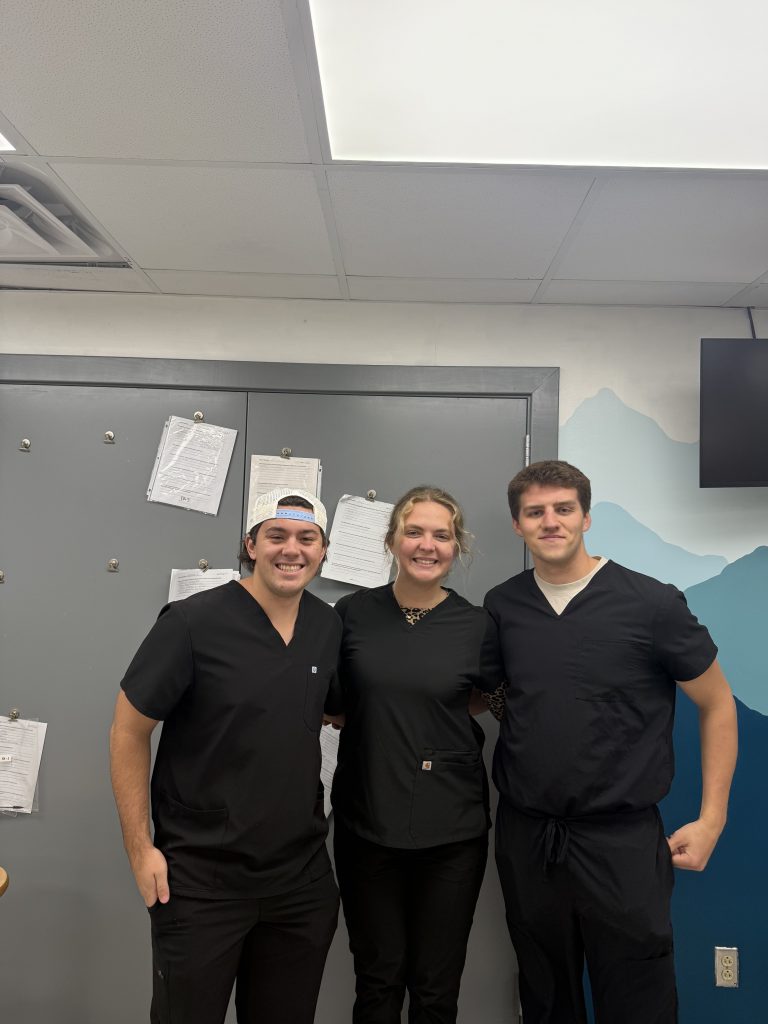
For many students at Clarkson, stepping into the cadaver lab is a defining moment in their academic journey. It’s a space unlike any other on campus—quiet, focused, and filled with a deep sense of responsibility. The Clarkson cadaver labs are not just places to study anatomy; they are environments where science, ethics, and human respect intersect.
A Hands-On Approach to Learning
The cadaver labs at Clarkson provide students with a rare and invaluable opportunity: learning directly from the human body. While textbooks, diagrams, and digital models are essential tools, they can never fully capture the complexity and variability of real human anatomy. Cadaver-based learning allows students to explore structures as they truly exist, gaining a three-dimensional understanding that is critical for fields such as medicine, physical therapy, biomedical engineering, and other health-related professions.
Students don’t just memorize names of muscles, nerves, and organs—they see how systems connect, overlap, and differ from one individual to another. This hands-on experience builds a strong foundation for future clinical or research work, reinforcing lessons that will stay with students long after graduation.
More Than Anatomy
What sets the Clarkson cadaver labs apart is that the experience goes far beyond technical knowledge. From the very beginning, students are taught that each cadaver represents a person who made a conscious decision to contribute to science and education. This understanding shapes how the lab is conducted and how students approach their work.
Respect is central to every aspect of the lab. Procedures are performed with care, language is chosen thoughtfully, and students are encouraged to reflect on the human significance of what they are learning. In this way, the cadaver lab becomes an early lesson in professionalism and ethics—skills that are just as important as anatomical expertise.
Building Confidence and Professionalism
For many students, the cadaver lab can feel intimidating at first. It challenges comfort zones and confronts students with realities they may encounter in their future careers. Over time, however, the lab becomes a place of growth. Students learn how to remain focused, composed, and respectful in a professional setting, even when faced with difficult or emotional material.
This experience helps build confidence. By the end of the course, students often find that they are more comfortable discussing complex topics, working collaboratively, and approaching human health with both curiosity and compassion.
A Shared Experience
The cadaver lab also fosters a strong sense of community. Students work together closely, helping one another identify structures, solve problems, and understand difficult concepts. This collaboration strengthens teamwork skills and creates bonds that often extend beyond the classroom.
Faculty and lab instructors play a crucial role as well, guiding students not only academically but also emotionally. Their mentorship helps students navigate the challenges of the lab while maintaining the highest standards of respect and learning.
Gratitude and Reflection
Many Clarkson programs encourage students to take time to reflect on the experience and the generosity of body donors. Whether through discussions, written reflections, or moments of silence, students are reminded that their education is made possible by an extraordinary gift.
This reflection often leaves a lasting impact. Students walk away with a deeper appreciation for the human body. For the responsibility that comes with working in health and science, and for the individuals who choose to support education even after death.
An Experience That Lasts a Lifetime
The Clarkson cadaver labs are more than just a requirement on a degree checklist. They are transformative learning environments that shape how students think, learn, and engage with the human side of science. Long after the course ends, many students remember the cadaver lab as one of the most meaningful and influential experiences of their education.
In combining rigorous scientific study with empathy and respect, the Clarkson cadaver labs exemplify what hands-on learning can—and should—be.